Understanding Server Status: Key Insights and Maintenance Tips
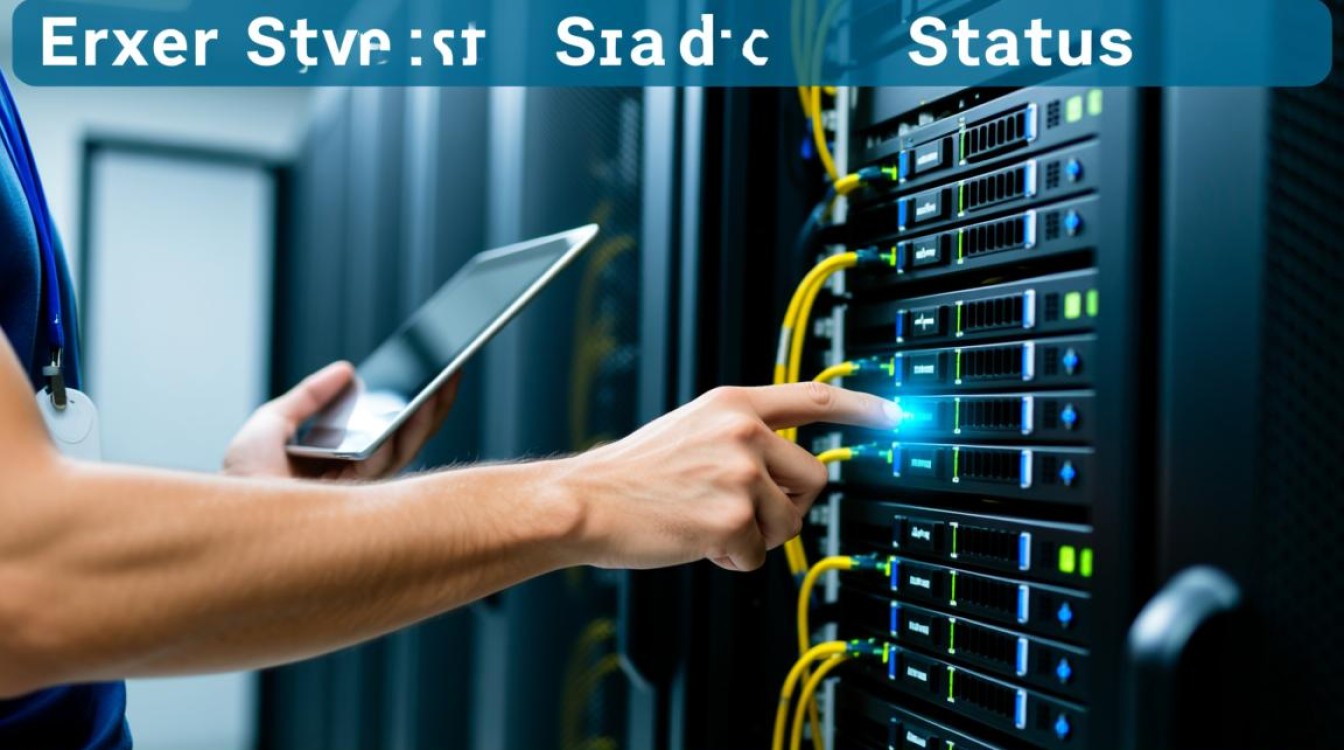
Introduction to Server Status
Server status is a critical aspect of any online service or application. It refers to the operational condition of a server, indicating whether it is up and running, experiencing issues, or undergoing maintenance. Monitoring server status is essential for ensuring seamless user experience and maintaining the integrity of data and services.
What is Server Status?
Server status is typically categorized into several states:
- Up: The server is operational and responding to requests.
- Down: The server is not responding to requests, possibly due to hardware or software failures.
- Maintenance: The server is temporarily unavailable for scheduled maintenance or updates.
- Unknown: The server status is not currently known or is being investigated.
Monitoring Server Status

Regular monitoring of server status is crucial for early detection of potential issues. Here are some common methods for monitoring server status:
- Uptime Monitoring Tools: These tools provide real-time updates on server availability, alerting administrators to any downtime.
- Performance Metrics: Monitoring tools can track various performance metrics, such as CPU usage, memory usage, and disk I/O, to identify potential bottlenecks.
- Log Analysis: Analyzing server logs can help identify patterns or errors that may indicate issues with the server.
Common Server Issues and Solutions
- Hardware Failures: Hardware failures, such as failed hard drives or memory modules, can cause server downtime. Regular maintenance and monitoring can help prevent these issues.
- Software Errors: Software bugs or misconfigurations can lead to server instability. Regular updates and patches can mitigate these risks.
- Network Issues: Network outages or misconfigurations can prevent servers from communicating with clients. Ensuring proper network setup and redundancy can help mitigate these issues.
Best Practices for Server Maintenance
- Regular Updates: Keep the server's operating system and software up to date to ensure security and performance.
- Backup and Recovery: Regularly back up server data and test recovery procedures to minimize data loss in case of failures.
- Resource Allocation: Monitor resource usage and allocate resources appropriately to prevent overloading the server.
Server Status Notifications
Implementing server status notifications is crucial for alerting users and administrators to any downtime or issues. Here are some common notification methods:

- Email Alerts: Send email notifications to administrators and users when server status changes.
- SMS Alerts: Provide SMS alerts for immediate notifications of critical issues.
- Social Media: Use social media platforms to inform users of planned maintenance or unexpected downtime.
FAQs
Q1: How often should I monitor my server status? A1: Server monitoring frequency depends on the criticality of the service. For high-traffic or mission-critical applications, it's recommended to monitor server status continuously. For less critical services, monitoring every few hours may be sufficient.
Q2: What should I do if my server goes down? A2: If your server goes down, immediately investigate the issue by checking logs, hardware, and network configurations. If the problem is beyond your expertise, contact your hosting provider or a professional IT support team for assistance.